Aug 23rd, 2025

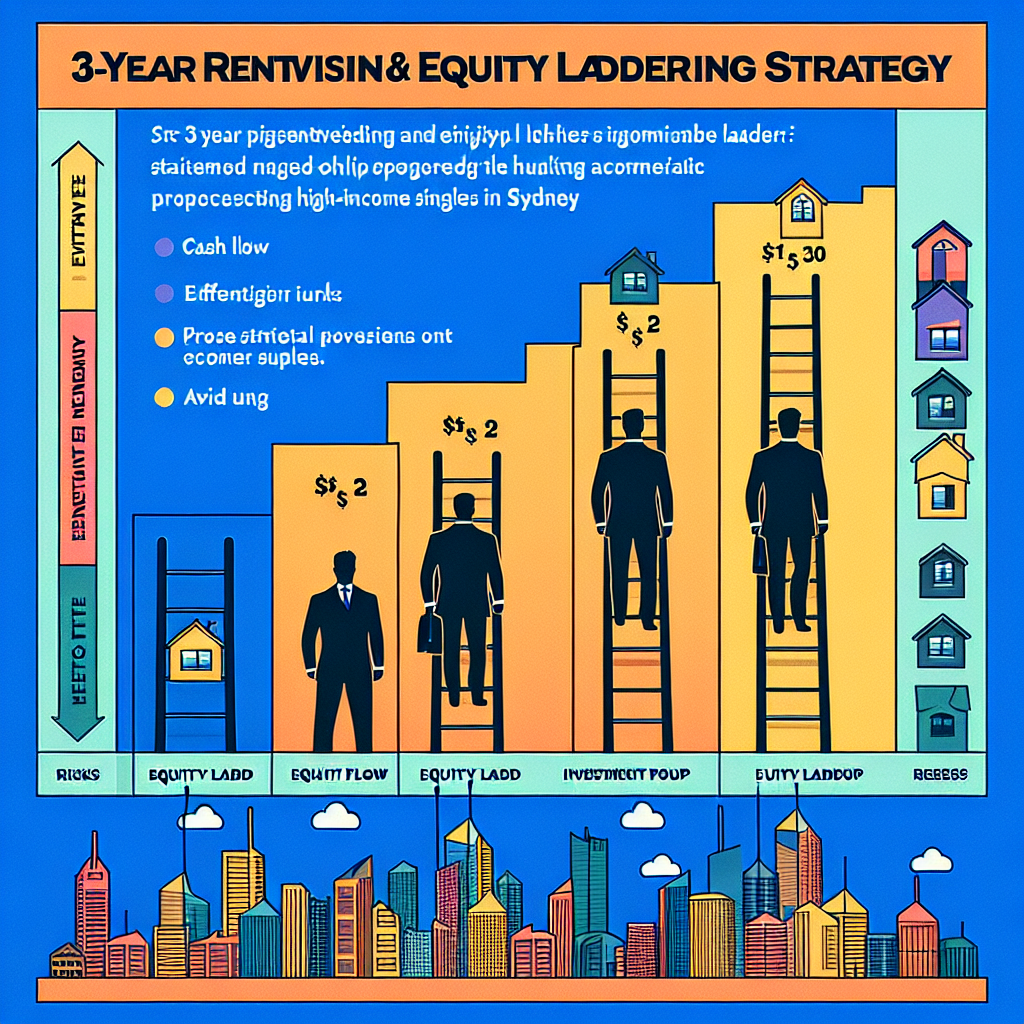
3-Phase Property Investment Strategy for High-Income Earners Aged 50+

3-Phase Property Investment Strategy for High-Income Earners Aged 50+

Strategic Overview

Jeremy is a 53-year-old professional in the oil and gas industry earning $270,000 a year. Despite having no liquid savings and carrying $100,000 of consumer debt, he owns land with $80,000 in equity and has $400,000 in superannuation. By following a clear three-phase approach, he can aim to own three income-producing properties by 2028, leveraging his income and existing assets to overcome liquidity constraints.

Phase 1: Debt Reduction & Land Refinance (2025–2026)

  • Debt Consolidation: Use an estimated $7,300 monthly surplus to pay down $100,000 of high-interest consumer debt, improving cash flow and creditworthiness.
  • Land Refinance: Refinance the $80,000 equity in his land to unlock capital for property acquisitions.

Phase 2: Acquire a High-Yield Co-Living Property (Late 2026)

With debt under control and additional funds from the land refinance, Jeremy targets a co-living property in growth regions (QLD, WA, VIC, NT, SA) offering yields between 7.8% and 11%.

  • Loan Amount: ≈ $300,000
  • Estimated Rental Income: $25,000 per year
  • Cash Flow Impact: Further strengthens monthly surplus

Phase 3: Portfolio Expansion (2027–2028)

Step 1: Second Property (2027)

  • Asset Type: High-yield regional unit or house
  • Loan Amount: ≈ $320,000
  • Projected Rent: $28,000 per year
  • Cash Flow Uplift: +$500 per month

Step 2: SMSF Purchase via LRBA (2028)

  • Structure: Limited Recourse Borrowing Arrangement inside his SMSF
  • SMSF Funds Applied: ≈ $450,000 (drawn from $400,000 super balance plus gearing)
  • Portfolio Value by 2028: ≈ $2.88 million
  • Annual Cash Inflow: ≈ $30,000

Risk Management & Key Assumptions

  • Interest Rates: Assumed 6.2% for mortgages, 9.2% for valuation assessments.
  • Vacancy & Maintenance: Mitigated through professional property management and geographic diversification.
  • Regulatory Changes: Ongoing monitoring of tax, superannuation, and property regulations.

Conclusion

By systematically reducing debt, unlocking equity, and targeting high-yield properties—culminating in a strategic SMSF acquisition—high-income earners like Jeremy can build a diversified property portfolio without large upfront cash reserves. This roadmap not only accelerates wealth accumulation but also enhances retirement security.

For tailored advice on implementing a similar strategy, visit our investment guidance.

@

Harry Triguboff didn’t just build apartments — he rewrote the rules of Australian real estate. From eight units in the suburbs to over 75,000 across Sydney, Brisbane, and the Gold Coast. While most ch...

@

Some choose rent. Some choose 30 years of debt for their “dream home.” And then there are those who choose assets. Property investors aren’t chasing granite benchtops. They’re chasing freedom. Freed...

@

Discover why smart property investors don't put all their eggs in one basket. Learn how diversifying your property portfolio across different types and locations can protect you from market fluctuatio...

You may also like

Related posts

How Lenders Account for Rental Income Variability

Why Lenders Treat Rental Income as a Variable Stream When you apply for a mortgage or refinance an investment property, lenders usually view rental income more cautiously than a regular salary. Because rent can fluctuate due to vacancies, upkeep and market shifts, most institutions apply a conservative discount and demand...

Jun 6th, 2025
1 year ago
Rentvesting vs Renting Out a Room in Your Home: What’s the Smarter Strategy?

Choosing Between Renting a Room in Your Home and Rentvesting In today’s Australian housing market, homeowners and potential investors are faced with a choice: either rent out a spare room in their principal place of residence (PPOR) or adopt a rentvesting strategy—purchasing an investment property while renting the home they...

May 6th, 2025
1 year ago
Claiming Lenders Mortgage Insurance (LMI) as a Tax Deduction for Investment Properties in Australia (2025 Guide)

Understanding Lenders Mortgage Insurance in Australia In Australia, Lenders Mortgage Insurance (LMI) is a one-off premium typically required when borrowing over 80% of a property's value. When it comes to investment properties, LMI may be tax-deductible as a borrowing expense if you meet specific criteria. Tax Deduction Eligibility The Australian...

May 16th, 2025
1 year ago
Straightforward process

Ready to take control of your financial future?

01
Discovery Q&A:

We begin with a personalized discovery Q&A to understand your goals, risk tolerance, and financial situation.

02
Custom Strategy:

Based on your needs, we craft a strategic investment or financial plan tailored just for you.

03
Ongoing Support:

We help you track progress, optimize decisions, and adjust your plan as your life and markets evolve.

04
Financial Freedom:

With a clear roadmap and expert guidance, you move confidently toward long-term wealth and peace of mind.

28+ Years guiding investors
Plan Your Investment Strategy

Understand your goals and build a tailored strategy—whether you're focused on cashflow, capital growth, or long-term wealth creation.

Access the Right Opportunities

Explore high-growth areas, new builds, house & land packages, or SMSF-ready properties matched to your financial profile.

Build Long-Term Wealth

Leverage tax advantages, depreciation, and smart lending strategies to maximise returns and grow your portfolio sustainably.

Start Your Investment Journey

Smart Property Investing Starts Here

Whether you're a first-time investor or growing your portfolio, we provide the guidance, tools, and insights you need to make informed decisions and secure high-performing properties. Let us help you turn property into prosperity.