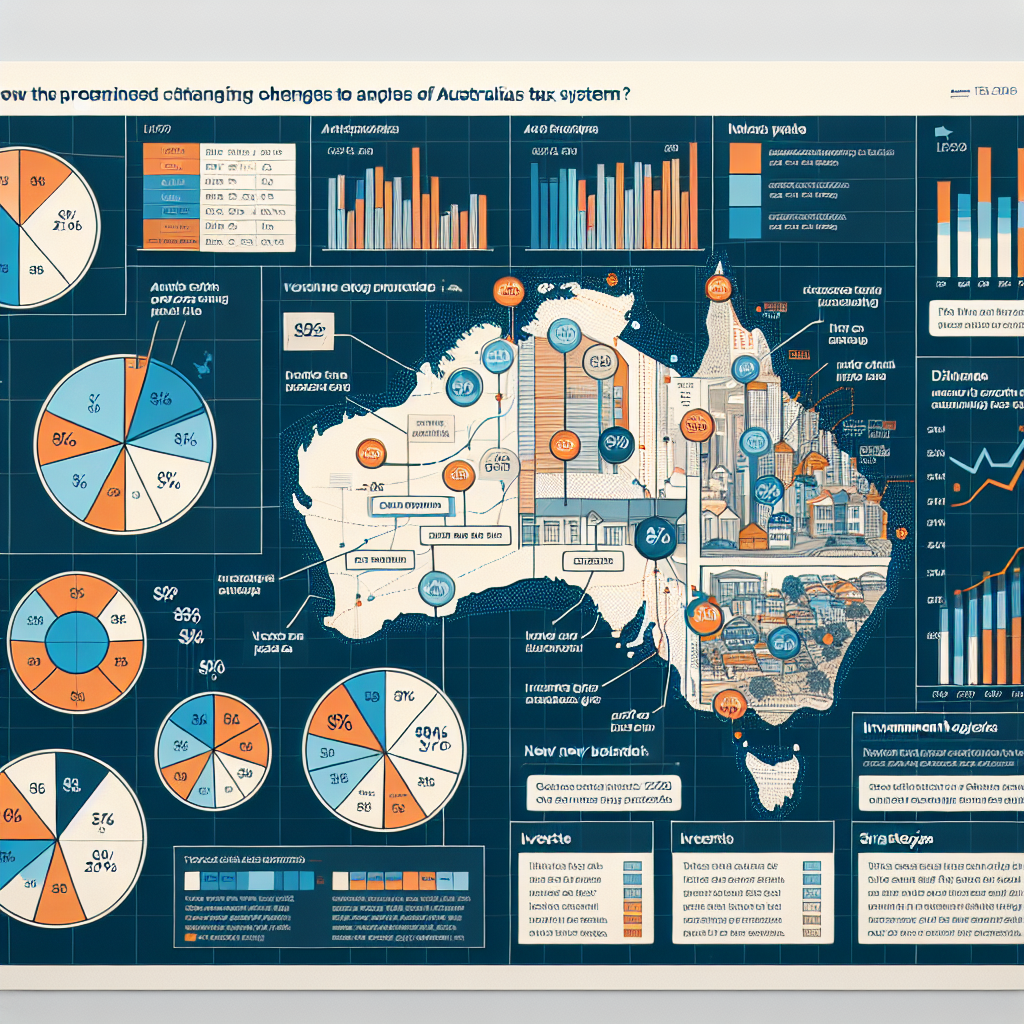
Australia’s Upcoming Property Tax Reforms: Key Points for Investors Ahead of the 2026 Budget
The Australian property sector faces one of its most significant tax overhauls in years. Under Prime Minister Anthony Albanese and Treasurer Jim Chalmers, the Labor government is examining changes to negative gearing and the capital gains tax (CGT) discount ahead of the federal budget on 12 May 2026. Although final decisions are pending, property investors should start preparing now.
Why Reforms Are Being Considered
The government’s main objectives are to improve housing affordability and ensure intergenerational fairness. Currently, the tax settings:
- Encourage investors to use high leverage
- Disproportionately benefit higher-income earners
- Contribute to rising home prices
The proposed changes aim to level the playing field for first-home buyers without eliminating all investment incentives.
Current Tax Framework at a Glance
Negative Gearing
- Allows rental losses to be offset against other income
- Reduces overall tax bills
- No limit on the number of properties
CGT Discount
- 50% discount on capital gains for assets held over 12 months
- Applies to investment properties and various other assets
Potential Reform Scenarios
1. Negative Gearing Cap
One option is to limit full deductions to two investment properties per person. Losses on additional properties would be quarantined and only offset against future rental income. Existing investments would likely be grandfathered.
2. CGT Discount Reduction
Another proposal is to cut the CGT discount from 50% to about 33%, meaning investors would pay tax on roughly 67% of their gains. This change may apply only to property, with new builds possibly retaining more favourable treatment.

Discover the #1 tax secret wealthy Australian property investors use to grow their portfolios faster — even in a high interest rate environment.
- Learn how to turn wear and tear into wealth
- See real examples of $15,000+ first-year deductions
- Understand how to structure your purchases for maximum after-tax ROI
Download Your Free Wealth Building Guide
This ebook reveals how to legally slash your tax bill while building long-term wealth through property. Learn the strategies savvy investors use to gain an edge — even before settlement.
- Maximise tax deductions and improve cash flow
- Understand Division 40 vs 43 and how to claim both
- Position yourself to reinvest and scale faster
3. Other Measures Under Consideration
- Restricting deductions for vacant properties
- Broadening the quarantine of investment losses
- Targeted caps for second or third properties
Implications for Investors
Short-Term Effects
- Some investors may pause new acquisitions
- Potential uptick in property listings
- Lower demand for highly leveraged portfolios
Long-Term Outlook
- Reduced after-tax returns on rental properties
- Greater emphasis on positive cash flow over capital gains
- Increased interest in new-build projects if incentives persist
Market Impact
Critics warn that rental supply could tighten and rents might rise, while construction may slow. Supporters argue investor demand will cool, stabilising prices and giving first-time buyers a better chance.
Investor Strategy Adjustments
- Streamlining portfolios to fewer, higher-quality assets
- Focusing on new developments over established properties
- Exploring alternative asset classes
- Revisiting tax-effective ownership structures
Next Steps
The federal budget on 12 May 2026 will outline any changes, which could take effect from 1 July 2026. Grandfathering provisions are expected to protect existing investors.
Conclusion
These proposed tax reforms could permanently reshape property investing in Australia. Stay informed and be ready to adjust your strategy in the months ahead.
Have Your Say
Do you think these measures will improve housing affordability, or will they worsen the crisis? Share your thoughts below.