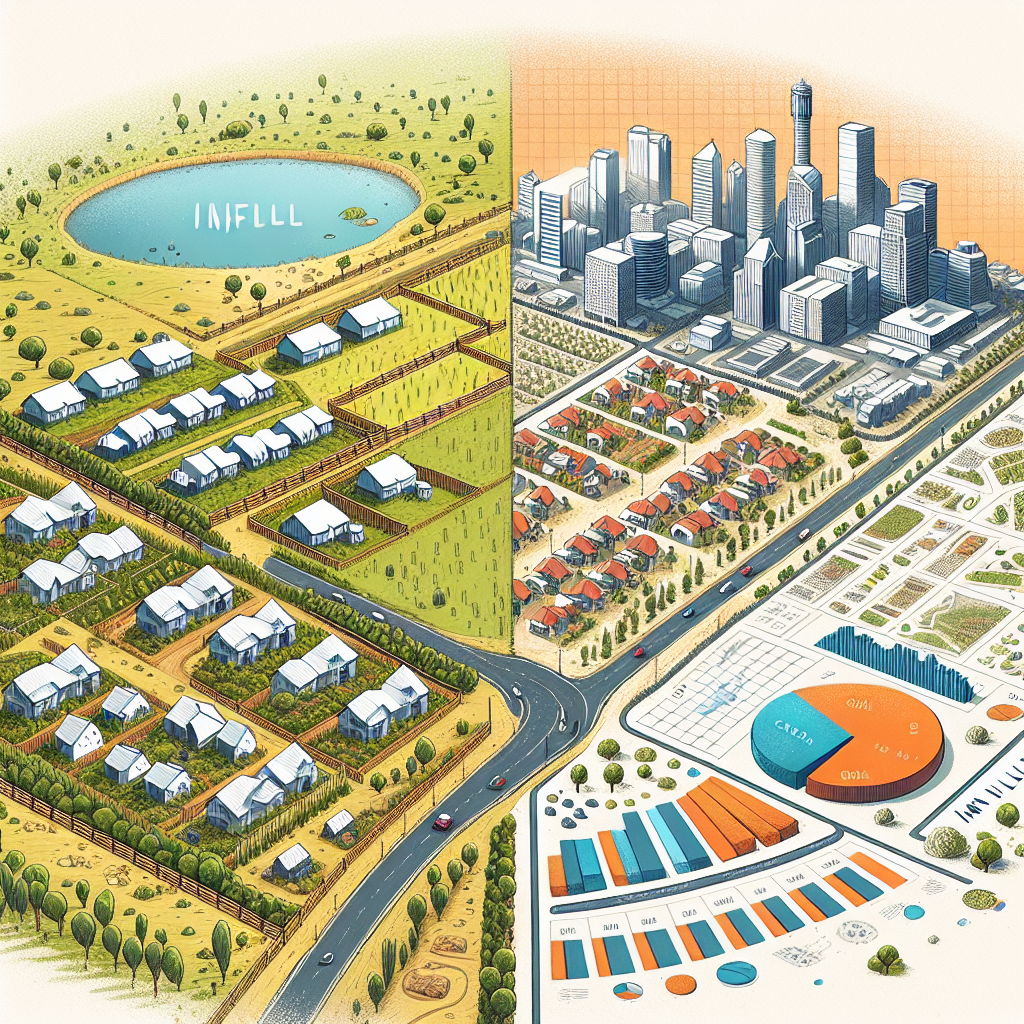
Brand New vs Established Property – Which Investment Actually Builds Wealth?
When people look for property, they often choose homes they would personally love to live in. While that makes sense for homeowners, it is not always the smartest strategy for property investors.
An established home may feel more appealing because it has character, history and established landscaping—but from an investment perspective, an older property can sometimes be a second-hand asset that delivers weaker financial performance.
Simple Comparison
Imagine two houses sitting next door to each other:
- Same street
- Same suburb
- Same land size
- Same property value
- Same capital growth rate
From a market perspective they are identical. But from an investment performance perspective, they can deliver dramatically different outcomes.
Investment Assumptions
- Capital growth: 4% per year
- Inflation: 3%
- Interest rate: 6.5%
- Loan structure: Interest Only
- Investor 1 income: $170,000
- Investor 2 income: $25,000
Both investors purchase a property of equal value in the same location.
Discover the #1 tax secret wealthy Australian property investors use to grow their portfolios faster — even in a high interest rate environment.
- Learn how to turn wear and tear into wealth
- See real examples of $15,000+ first-year deductions
- Understand how to structure your purchases for maximum after-tax ROI
Download Your Free Wealth Building Guide
This ebook reveals how to legally slash your tax bill while building long-term wealth through property. Learn the strategies savvy investors use to gain an edge — even before settlement.
- Maximise tax deductions and improve cash flow
- Understand Division 40 vs 43 and how to claim both
- Position yourself to reinvest and scale faster
Scenario 1: Established (Second-Hand) Property
- Rent: $750 per week
- Property age: 30 years
- Ownership: 50% / 50% split between two investors
Year 1 Financial Outcome
- Cost to own after tax: –$24,879
- Tax refund: $7,160
Even with tax deductions, the property still requires ongoing contributions from the investor.
20-Year Holding Result
Over a 20 year holding period, the investor contributes approximately –$260,000 to hold the property. While the property may grow in value, the investor has had to continually feed money into the investment to keep it running.
Scenario 2: Brand New Dual-Income Investment Property
- Rent: $1,000 per week (two rental incomes)
- Property age: Brand new
- Ownership structure: 99% held by the higher income earner
Year 1 Financial Outcome
- Cash flow after tax: +$968 positive
- Tax refund: $20,153
Instead of costing the investor money each year, the property produces positive income.
20-Year Holding Result
Over a 20 year holding period, the investor receives approximately +$100,000 in cash flow profit while holding the asset. This type of property acts like a cashflow investment asset, generating income while it appreciates.

Why Brand New Properties Can Perform Better
- Higher Rental Income
Dual occupancy properties often produce two rental streams, increasing total weekly income. - Depreciation Benefits
New buildings allow investors to claim full depreciation deductions, significantly reducing taxable income. - Strategic Ownership Structures
Allocating ownership to the higher income earner can maximise tax refunds. - Lower Maintenance Costs
New homes generally require fewer repairs compared with older properties.
The Real Investor Question
So the question becomes:
- Would you prefer to pay $260,000 over 20 years to hold a property that might be nicer to live in?
- Or receive around $100,000 in positive cash flow while holding a purpose-built investment property?
The most successful investors separate emotion from strategy. They buy properties designed to perform financially rather than properties designed for lifestyle.
Final Thought
When investing in real estate, the goal is not just to own property — it is to build assets that accelerate wealth creation.
A well-structured, income-producing property can dramatically improve your investment portfolio by delivering both cash flow and long-term capital growth.
Before buying your next property, ask yourself a simple question:
Is this property a lifestyle purchase… or a wealth-building asset?